
Flat Roof Inspection Essentials and Flat Roof Maintenance Tips

When it comes to commercial and industrial properties, the roof is one of the most critical components. A flat roof, while popular for its cost-effectiveness and ease of installation, requires regular inspection and maintenance to ensure longevity and performance. I’ve spent years working with flat roofs, especially Duro-Last systems, and I can confidently say that knowing the essentials of flat roof inspection can save you thousands in repairs and downtime.
Let’s dive into the key points you need to know to keep your flat roof in top shape.
Flat Roof Maintenance Tips You Can’t Ignore
Maintaining a flat roof is not just about fixing leaks when they appear. It’s about proactive care. Here are some practical tips that I always recommend:
Schedule regular inspections: Twice a year is ideal, preferably in spring and fall. This helps catch issues before Michigan’s harsh winters or summer storms hit.
Clear debris promptly: Leaves, branches, and dirt can trap moisture and cause deterioration. Use a soft broom or blower to keep the surface clean.
Check drainage systems: Flat roofs rely heavily on proper drainage. Make sure gutters, scuppers, and drains are free of blockages.
Inspect seams and flashings: These are common weak points. Look for cracks, bubbles, or loose materials.
Address ponding water immediately: Standing water can degrade roofing materials and lead to leaks. If you notice ponding, consult a professional to correct the slope or drainage.
By following these tips, you’ll extend the life of your roof and avoid costly emergency repairs.

What is the 25% Rule in Roofing?
You might have heard about the 25% rule in roofing, especially when dealing with repairs or replacements. Simply put, this rule states that if more than 25% of your roof’s surface is damaged or requires repair, it’s often more cost-effective to replace the entire roof rather than patching it up.
Why does this matter? Because patching large areas can lead to inconsistent performance and future leaks. For commercial and industrial properties, a reliable roof is essential to protect valuable equipment and inventory. If your inspection reveals damage approaching or exceeding that 25% threshold, it’s time to consider a full replacement.
This rule helps property owners make informed decisions and avoid the “band-aid” approach that can backfire.
How to Conduct a Thorough Flat Roof Inspection
A thorough inspection is the foundation of effective roof maintenance. Here’s a step-by-step guide I follow to ensure nothing gets missed:
Visual Exterior Check
Walk around the building and look for obvious signs of damage such as cracks, blisters, or punctures in the roofing membrane.
Interior Inspection
Check the ceiling and attic for water stains, mold, or sagging. These signs often indicate leaks.
Examine Flashings and Seals
Flashings around vents, skylights, and HVAC units are vulnerable spots. Look for gaps or deterioration.
Inspect Drainage Components
Ensure drains, gutters, and downspouts are clear and functioning properly.
Look for Ponding Water
After a rain, check for areas where water pools. Even small puddles can cause long-term damage.
Document Everything
Take photos and notes. This documentation helps track changes over time and supports warranty claims if needed.
If you want a detailed guide, I recommend using a flat roof inspection checklist to make sure you cover all bases.
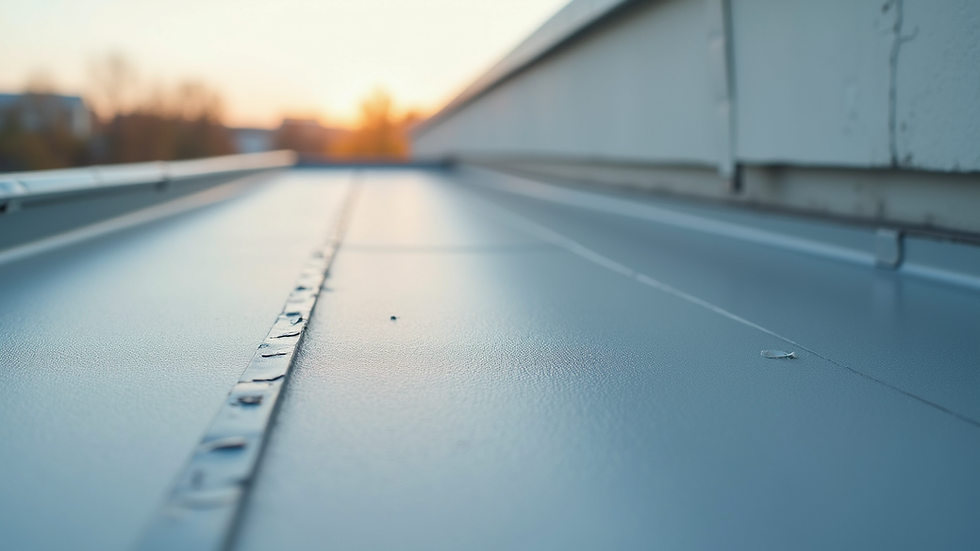
Common Flat Roof Problems and How to Spot Them Early
Flat roofs face unique challenges compared to pitched roofs. Here are some common issues and how to identify them early:
Membrane Blisters and Bubbles
These form when moisture gets trapped under the roofing membrane. They look like raised areas and can burst, causing leaks.
Cracks and Splits
Temperature changes cause expansion and contraction, leading to cracks. Inspect seams and edges carefully.
Ponding Water
As mentioned, standing water is a major enemy. It accelerates material breakdown and invites mold growth.
Flashing Failures
Flashings protect roof edges and penetrations. Loose or damaged flashings allow water to seep in.
Punctures and Tears
Foot traffic, falling debris, or equipment can cause physical damage. Regular inspections help catch these before they worsen.
Spotting these problems early means you can schedule repairs before they turn into expensive replacements.
Why Professional Inspections Matter for Your Flat Roof
While DIY inspections are helpful, professional roofers bring expertise and specialized tools that make a big difference. Here’s why I always recommend professional inspections:
Experience with Roofing Systems
Professionals understand the nuances of different roofing materials, especially specialized systems like Duro-Last.
Safety
Roof inspections can be dangerous. Professionals have the right equipment and training to work safely at heights.
Accurate Diagnosis
Experts can identify hidden issues that might be missed by the untrained eye.
Comprehensive Reporting
A professional inspection includes detailed reports and recommendations, helping you plan maintenance and budgeting.
Warranty Compliance
Many roofing warranties require regular professional inspections to remain valid.
Investing in professional inspections is a smart move that protects your property and your bottom line.
Keeping Your Flat Roof in Peak Condition
Maintaining a flat roof is a continuous process. By combining regular inspections, timely repairs, and professional expertise, you can maximize your roof’s lifespan and performance. Remember, a well-maintained roof is your first line of defense against Michigan’s unpredictable weather.
If you want to stay ahead of roofing issues, start with a solid inspection routine and use resources like the flat roof inspection checklist to guide you. Your roof will thank you with years of reliable service.
Stay proactive, stay dry, and keep your commercial or industrial property protected with the right flat roof care.


Comments